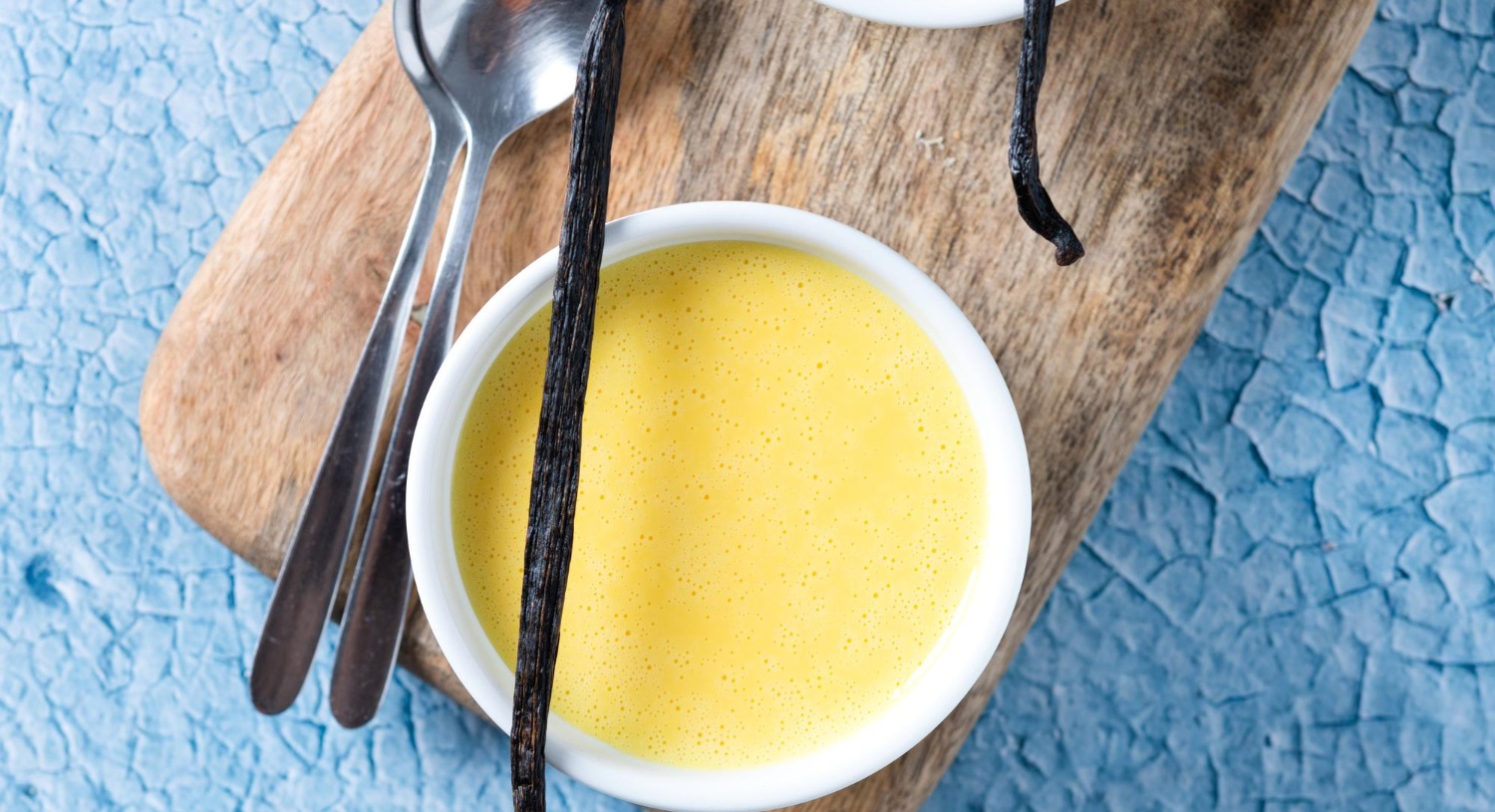
Bakery flavours for baked, filled, and decorative goods
Perfect for biscuits, cakes, laminated pastries, toppings, fillings, and icings.
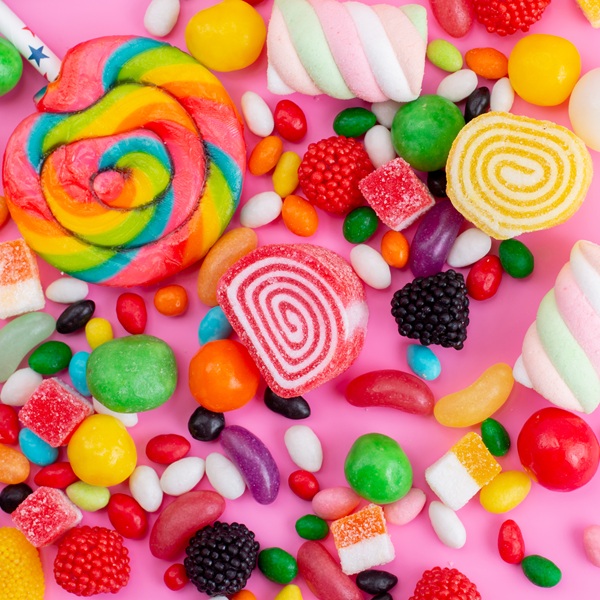
Confectionery flavours for candies and soft sweets
Ideal for hard candies, chocolates, fondants, jellies, gummies, and marshmallow.
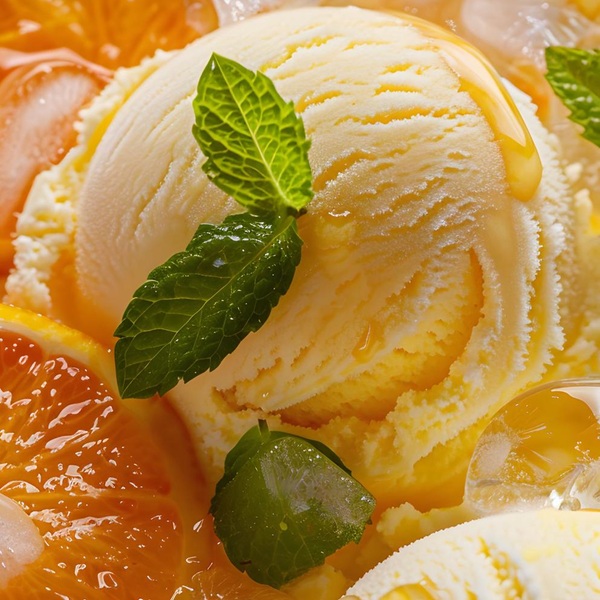
Dairy flavours for fresh and frozen desserts
Tailored for ice cream, frozen desserts, yoghurts, smoothies, and alternative dairy.
Beverage flavours for still and sparkling drinks
Formulated for carbonated and still beverages, punch, cocktails, and syrups.
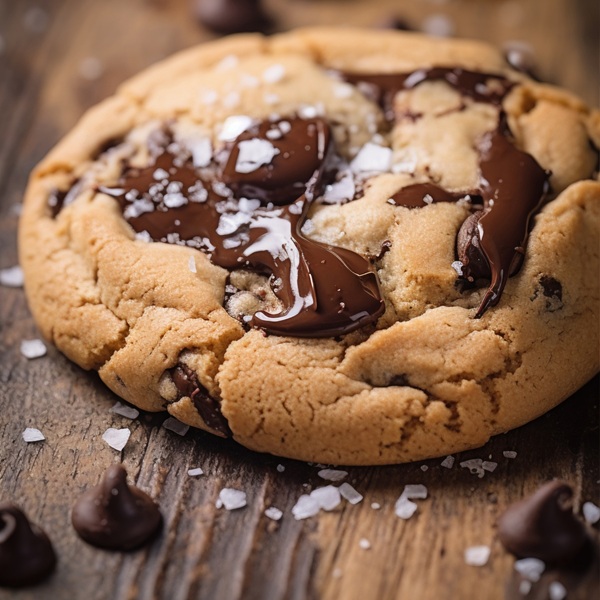
Classic biscuit flavours, amplified for modern taste
Instantly recognisable and universally loved. Made to be enjoyed by the whole family.
Gummy flavours that spark personality & preference
Vibrant and different. Designed to match moods, personalities, and contexts.
Childhood ice cream flavours with adult richness
Rich and nostalgic. Built to make ice cream taste the way it does in memories.
Soft drink flavours made to enjoy everyday
Flavour-first and genuinely refreshing. Developed to be reached for again & again.
Insights
Vanilla flavour: When familiar is more difficult than complex
July 2, 2026
Vanilla remains the single most widely used flavour across bakery, confectionery, dairy, and beverages worldwide — in both natural vanilla flavour and formulated vanilla flavour applications. The vanilla ice cream segment alone holds around 30% of the global ice cream flavour market and is valued at $29.6 billion, with steady growth projected through 2033.
That commercial weight is precisely what makes vanilla the highest-stakes flavour on any manufacturer's brief. Consumers have a lifetime reference point: they may not articulate what's wrong, but they know immediately when something is off. The benchmark is unconscious, personal, and unforgiving.
Why vanilla is harder to get right than it looks
For vanilla flavour manufacturers, matching consumer expectations means hitting three sensory marks that all pull in different directions.
Depth: Vanillin and supporting base note compounds are the structural core of any credible vanilla. When they're too light, the profile reads thin; when overdone, it tips synthetic. The window for genuine richness is narrow.
Warmth: The compounds responsible for perceived warmth are among the most volatility-sensitive. They can disappear after pasteurisation, bake-off, or cold-chain conditioning, leaving a vanilla that is structurally present but experientially empty.
Finish: The close matters as much as the opening. A clean, smooth finish that lets sweetness round off without dominating is what separates a vanilla that lingers pleasantly from one that cloys. Mouthfeel, volatility, and sweetness balance all converge here.
Most vanilla formulations are optimised to “pass”. They’re calibrated to a cost target or a lab benchmark rather than to how the finished product will actually land with a consumer who has been tasting vanilla since childhood. That's the problem Senovia's approach is designed to address.
How Senovia’s vanilla is different
Every vanilla profile we develop starts from a sensory brief: a defined target for how a product should feel on the palate, what emotional register it should occupy, and what the finish should leave behind after encountering those specific processing conditions and base matrix.
That means we're optimising not for a spec sheet but for depth that reads rich without reading synthetic, warmth that survives the process it's going into, and a finish calibrated to the format.
Our vanilla isn't a single SKU scaled to the widest possible use case. Instead, it's a a range of profiles, each built for a specific category and processing environment.
We work from the sensory outcome backward. That changes what we optimise for, and it's why our vanilla tastes considered rather than commodity.
Vanilla flavour built for your category
Senovia vanilla flavour is formulated to perform across the specific processing conditions, base matrices, and sensory expectations of each application segment.
Dairy
Ice cream, yogurt, milk drinks, cream fillings, and plant-based dairy alternatives all demand a vanilla that carries through fat matrices and survives cold-chain conditions without losing volatility. Senovia's vanilla for dairy delivers floral top notes, a warm caramellic mid, and a creamy close — with stability tuned for both ambient and frozen formats.
Bakery
In bakery, vanilla is rarely the only flavour in the room; it's working alongside butter, egg, and flour compounds to complete a baked character. Our bakery vanilla is designed to amplify rather than compete: a rounded, cake-forward profile with enough base-note depth to hold through bake-off temperatures without going flat. Ideal for cakes, biscuits, sweet breads, pastry fillings, and glazes.
Confectionery
Chocolate and compound coatings absorb vanilla differently to sugar-based confectionery. Our confectionery vanilla range covers both: a deep, slightly woody profile for chocolate applications, and a brighter, sweeter tonality for caramels, toffees, hard-panned sweets, and marshmallow bases. Each formulation is optimised for the fat content, processing temperature, and sugar saturation of its intended application.
Beverages
Vanilla in beverages operates in a uniquely unforgiving environment: no fat to carry the profile, high dilution, and full transparency to off-notes. Our beverage vanilla delivers clear, clean sweetness – no muddiness, no harshness – with a soft warmth that works across RTD coffee, iced tea, roibosh tea with vanilla, and soft drinks.
FAQ
What's the difference between vanilla flavour and vanilla extract in food manufacturing?
Vanilla extract is derived directly from cured vanilla beans. It contains vanillin alongside hundreds of minor flavour compounds that contribute complexity. Vanilla flavour formulations are built to replicate and often extend that profile, with greater consistency, process stability, and cost predictability. For manufacturers working at scale or in categories where extract's volatility or fat content poses formulation challenges, vanilla flavour solutions offer equivalent sensory performance with more reliable processing behaviour.
How do natural vanilla flavour and synthetic vanilla flavour differ from a regulatory and labelling standpoint?
Natural vanilla flavour must be derived from vanilla beans or vanilla bean components under most major regulatory frameworks (EU, FDA). Synthetic vanilla flavour typically uses synthetically produced vanillin, which is chemically identical to the key compound in natural vanilla but cannot carry a "natural" label declaration. For manufacturers navigating clean-label positioning, the distinction affects both ingredient declaration and consumer perception. Senovia's team can advise on the right specification for your label requirements.
What vanilla flavour formats work best for ice cream and frozen dairy?
Frozen applications require vanilla formulations with high flavour impact at low temperatures, since cold suppresses volatile aroma compounds. Emulsified or water-based formats that remain stable across freeze-thaw cycles, with top notes tuned for cold-temperature volatility, perform best. Senovia's dairy vanilla is specifically calibrated for frozen and chilled formats.
Can vanilla flavour survive high bake temperatures?
Standard vanilla liquid flavours lose aroma instensity above 160-180°C. For bakery applications that involve prolonged bake times or high temperatures, heat-stable vanilla formulations using encapsulation or thermally stable carrier systems are the correct specification. Senovia offers heat-stable bakery vanilla across liquid and powder formats.
How do I choose between oil-soluble and water-soluble vanilla for confectionery?
The choice depends on your base matrix. Chocolate and compound coatings are fat-continuous, so an oil-soluble vanilla will distribute evenly and carry efficiently. Sugar-based confectionery (hard sweets, caramels) is water-continuous, so a water-soluble format ensures even dispersion without bloom or phase separation. Matching the solubility profile to your base matrix is one of the most reliable ways to ensure consistent vanilla performance in confectionery.
Tell us what you're making
Developing from scratch, reformulating, or benchmarking your current supplier? Bring us the brief. We'll match a vanilla profile to your category, format, and processing conditions, so you can evaluate it in your own matrix before any decisions are made.





.jpg)